
How to Train Your Mountain Dog for Trekking & Long Walks
A Deep, Fully Expanded, Long-Form Blog
Trekking in the mountains becomes a profoundly meaningful experience when you share it with a dog who loves the outdoors as much as you do. There is something magical about watching a dog explore high-altitude forests, sniff the wind, and run freely along ridges where the sky feels close enough to touch. But behind that beautiful picture lies a long journey of training, patience, and trust-building. A mountain dog does not become a perfect trekking companion overnight. Their journey begins at home, long before they take their first step on a rugged trail. Preparing a dog for trekking means shaping their instincts, strengthening their body, sharpening their senses, and helping them understand how to navigate the unpredictable moods of nature. When this training is done thoughtfully, your dog becomes more than a pet—your dog becomes a dependable mountain partner who walks by your side with confidence, enthusiasm, and instinctive awareness.
Trekking Through a Dog’s Eyes: What the Mountains Truly Mean to Them
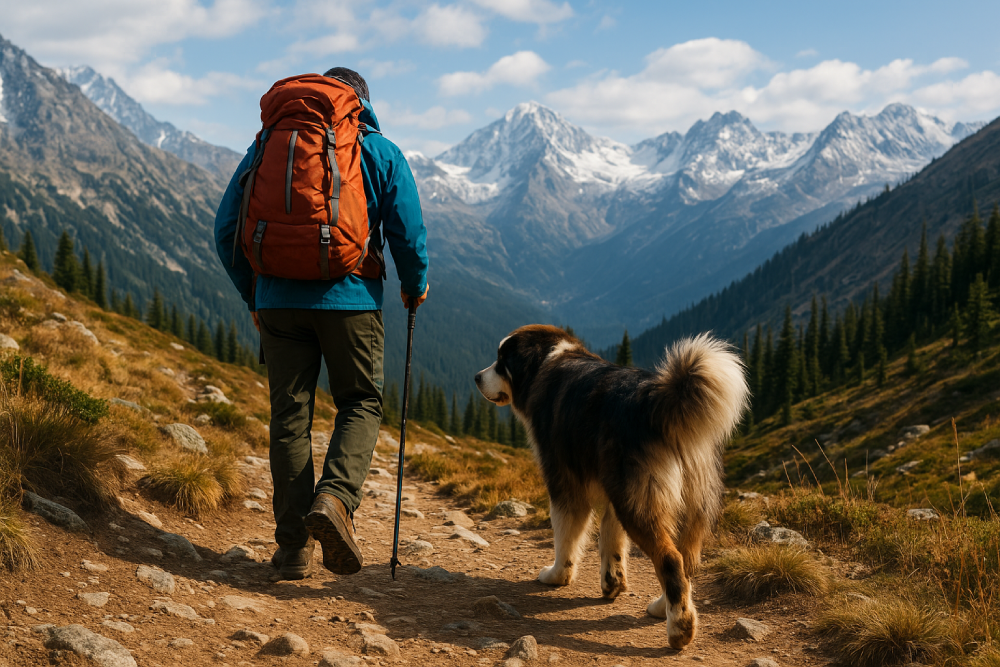
To a dog, trekking is not just a long walk—it is an immersive sensory adventure. Every tree, rock, stream, and wind-blown scent becomes a story, awakening their instincts in ways that daily life never could. The mountains are alive with textures and sounds: the whisper of pine leaves, the crunch of dry roots, the distant calls of birds, and the cold breath of high-altitude air. Each element stimulates the dog’s natural curiosity and brings out their innate connection to the wild. This sensory world is exciting but also overwhelming for an untrained dog. Without guidance, the dog may rush, pull, chase, or panic. Training gives meaning to all these sensations, allowing the dog to explore with calmness instead of chaos. A trained trekking dog learns to read the environment rather than react blindly to it, turning nature into a balanced and joyful experience.
Understanding Their Physical Nature and Natural Inclinations
Mountain breeds are naturally equipped for the outdoors, yet their abilities must be nurtured and reawakened through consistent conditioning. Thick fur coats protect them from icy winds, muscular bodies support long climbs, and broad lungs help them breathe well in cold air. Their paws, shaped for gripping, can adapt to slippery stones and uneven terrain. But domestication often softens these traits. A dog who spends most of its time indoors may lose stamina, muscle definition, or paw hardness—all crucial for trekking. Training reactivates these dormant abilities by gradually introducing physical challenges that strengthen endurance, balance, and flexibility. Over time, the dog’s body transforms: strides become more coordinated, breath becomes steadier, and muscles become more responsive to the demands of climbing and descending. This physical preparedness is what enables them to move confidently across trails that shift in slope, texture, and altitude.
Why Mental Strength is the True Backbone of a Mountain Dog
While physical readiness is important, mental stability is what truly determines whether a dog can handle long treks. The mountains are full of distractions—wild scents, unfamiliar animals, sudden noises, and unexpected trail changes. A dog without mental endurance can become overstimulated, unfocused, or anxious. Training helps develop inner calmness, teaching the dog to stay steady even when the environment becomes unpredictable. A mentally strong dog does not rush ahead recklessly; it observes, waits, and evaluates. Their decision-making becomes controlled rather than instinct-driven. Mental endurance also helps them manage fatigue, as an unfocused mind tires much faster than a disciplined one. Through exposure, positive reinforcement, and calm guidance, the dog learns to process the mountain environment thoughtfully. This stability protects both the dog and the handler, especially on narrow paths or in areas where quick reactions could lead to danger.
Developing the Silent Language Between You and Your Dog
Trekking is not a command-based activity—it is a shared rhythm. As you walk, your dog learns your pace, your habits, and your reactions. The mountains demand a unique communication style where constant talking isn’t possible or necessary. Instead, you communicate through subtle signals: the way you shift your weight, slow down, stop, or glance back. A trained mountain dog becomes sensitive to these cues. They watch your posture, anticipate your next step, and synchronize their pace without needing repeated instructions. This form of silent communication builds trust. The dog begins to understand that your presence offers safety and guidance, while you learn to rely on the dog’s instincts. Over time, this intuitive partnership transforms trekking into a smooth, natural dance where both partners move as one.
Adapting to Real Mountain Terrains and Constantly Shifting Environments
Every mountain season presents an entirely different world for the dog. Summer trails feel warm, dusty, and filled with insects. Monsoon trails are slippery, unpredictable, and rich with earthy smells. Winter trails become icy, powdery, and silent under snow. A trekking dog must learn how to move safely across all these environments. Training exposes them to different surfaces so that nothing feels unfamiliar. As they step on gravel, mud, leaves, snow, and water, they learn how each surface behaves under their paws. This teaches them to adjust their posture, balance their weight, and control their speed. With time, they stop fearing unfamiliar textures. Instead, they develop confidence in their ability to handle whatever lies ahead, whether it is a melting snow patch or a stream cutting across the trail. This environmental adaptability is one of the most important elements of trek-readiness.
Paw Strengthening: The Most Overlooked Yet Vital Part of Training
A dog’s paws are their greatest asset on mountain trails, acting like natural hiking boots. But unconditioned paws are delicate. They can crack, slip, bruise, or get cut easily. Paw conditioning is a slow, natural process that occurs when the dog gradually walks on different terrains. As they walk repeatedly on stones, grass, soil, and uneven ground, the paw pads become thicker and stronger. This toughening helps protect the paws from sharp edges and cold surfaces. The dog also learns how to place their paws on loose rocks or narrow ledges without slipping. Over time, the paws become so responsive that the dog can immediately sense unsafe surfaces, helping them avoid danger instinctively. A trekking dog must have paws that can handle long distances without pain, and this strength only comes from consistent conditioning.
Emotional Maturity: Handling Surprises the Mountain Throws
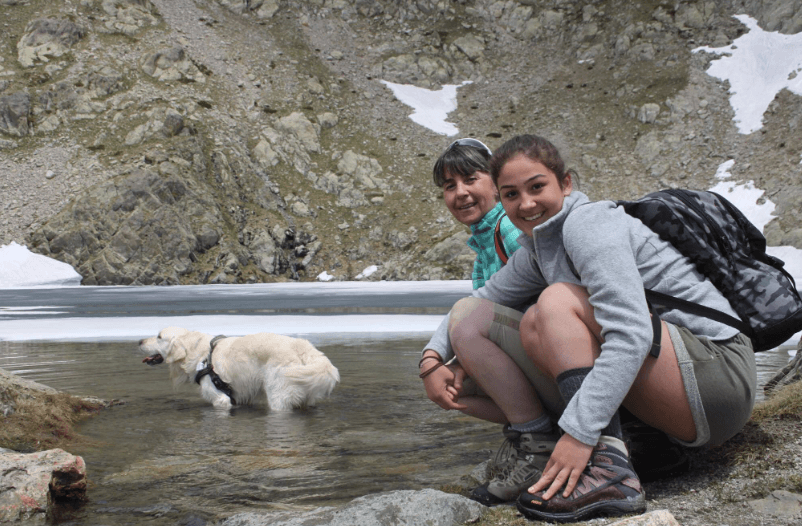
The mountains are full of elements that can startle an untrained dog: a sudden gust of wind, a sprinting animal, a falling branch, or the echo of distant wildlife. Emotional maturity helps a dog stay calm instead of reacting impulsively. This maturity develops when the dog repeatedly experiences new environments under your reassurance. Gradually, they learn that unexpected movements or sounds are simply part of nature. When a dog becomes emotionally stable, they stop chasing after every noise or smell. They don’t bark at livestock, they don’t rush toward cliffs, and they don’t panic when a trail narrows. This calmness transforms them from merely enthusiastic companions into safe and reliable trekking partners.
Learning to Pace Themselves for Longer Routes
Dogs are naturally energetic, especially in the outdoors. They may sprint at the start of the trek, burning too much energy too quickly. Training helps the dog understand that trekking is about stamina, not speed. Over time, they develop a sense of pacing—walking steadily, conserving energy, and regulating their excitement. This prevents fatigue, overheating, and muscle strain. A well-paced dog maintains consistent stamina throughout the day, allowing them to complete long walks without exhaustion. They begin to sense when to slow down and when to move faster based on the terrain and your movement. This instinct for pacing becomes crucial during multi-hour hikes or multi-day expeditions.
Environmental Awareness and Natural Trail Sense
A trained mountain dog becomes incredibly aware of their surroundings. They learn to recognize safe paths and avoid dangerous ones. Their eyes and nose become valuable tools, helping them gauge the trail more accurately than humans sometimes can. They begin to avoid loose stones, deep bushes, and steep edges. Instead of impulsively jumping or running, they watch your footsteps and adjust accordingly. As this awareness grows, they may even help alert you to potential risks, like unstable rocks, approaching animals, or slippery patches. This natural trail sense makes trekking smoother and safer for both of you.
How Trekking Deepens the Human–Dog Connection
Training a dog for trekking is more than teaching commands—it is a long journey of understanding each other’s strengths, fears, and rhythms. Every trek becomes a shared story: taking shelter under a tree during sudden rain, climbing steep sections together, resting beside a cold stream, or watching dawn light up the valley. These experiences create a bond that everyday life cannot replicate. The dog learns to trust your decisions, while you learn to trust the dog’s instincts. This mutual trust strengthens the emotional bond, creating a companionship that feels deeper, richer, and more meaningful with every trek.
The Trekking Lifestyle and the Dog’s Long-Term Wellbeing
Once a dog becomes comfortable with trekking, the mountains become a lifelong source of health and happiness. Trekking builds muscle tone, improves stamina, sharpens reflexes, strengthens the heart, and keeps the dog mentally active. The variety of sights, sounds, and smells prevents boredom, reducing anxiety and destructive behavior. Nature also nurtures emotional balance; a trekking dog becomes more confident, more disciplined, and more joyful. The outdoor lifestyle enriches their world, giving them purpose, excitement, and endless opportunities to explore.
Conclusion: From a Pet to a True Mountain Trail Partner
Training your mountain dog for trekking is a journey that transforms both you and your dog. It is a process filled with learning, patience, and shared experiences. Through physical conditioning, emotional development, sensory exposure, and trust-building, the dog becomes a dependable trekking partner who understands the mountains as deeply as you do. Once trained, your dog walks beside you not as a follower but as a partner—aware, confident, and eager to explore every trail. Together, you create memories in forests, valleys, and snowy paths that stay alive forever. Trekking with a well-trained mountain dog is not just an activity; it becomes a celebration of nature, companionship, and the enduring bond between human and dog.