
How to Keep Your Dog Active Indoors During Heavy Snowfall in Himachal Pradesh
Winter in Himachal Pradesh transforms towns like Manali, Shimla, Kullu, and Lahaul–Spiti into postcard-perfect destinations. But behind the beauty lies a challenge for pet parents: days of heavy snowfall force dogs to stay indoors, sometimes for an entire week. When paths freeze, temperatures fall below zero, and roads shut down, outdoor walks become unsafe or impossible. During these periods, dogs often struggle to release their natural energy, and their emotional and physical needs may go unmet.
For many pet owners, this becomes a worrying time. Dogs may appear restless, start chewing things, become more vocal, or even lose their appetite. But with a little creativity and preparation, your home can turn into a safe, fun, and fulfilling playground, ensuring your dog remains happy, active, and mentally stimulated throughout the snow season.
Understanding Your Dog’s Winter Behavior
Before planning any activities, it’s helpful to understand how snowfall affects dogs. Unlike humans, dogs rely heavily on routine. A sudden shift from outdoor freedom to indoor confinement disrupts their sense of normalcy. Reduced sunlight and cold drafts can also impact their mood.
Many dogs experience “winter blues,” similar to humans. They may sleep more, feel less motivated, or show signs of mild depression. Some dogs—especially high-energy breeds like Labradors, Huskies, German Shepherds, and Indies—become hyperactive because they have no outlet for their stored energy.
Recognizing these changes helps you respond proactively, giving your dog the right balance of stimulation and comfort.
The Importance of Indoor Exercise for Your Dog’s Health
Indoor activity does more than just tire your dog out—it plays an essential role in keeping them physically and mentally balanced during long snowy spells. When dogs stop moving and exploring, their metabolism slows. This can result in weight gain, stiffness in joints, and reduced immunity. Mentally, dogs need stimulation to stay sharp. If their mind isn’t challenged, they begin to feel frustrated, which may show up as barking, howling, biting, or obsessive licking.
Dogs that get even 20–30 minutes of structured indoor activity every day show:
• Better digestion
• Stronger immunity
• Reduced anxiety
• Fewer behavioral issues
• Improved sleep quality
This shows how important indoor stimulation is—not just for entertainment, but for your dog’s long-term health.
Creating an Indoor Environment That Encourages Movement
Indoor exercise starts with creating a space where your dog feels safe to play. You don’t need a big house—just a little rearrangement can make rooms more dog-friendly during winter. Soft rugs or carpets help dogs avoid slipping on cold floors. Removing sharp objects, fragile décor, or obstacles ensures safe movement.
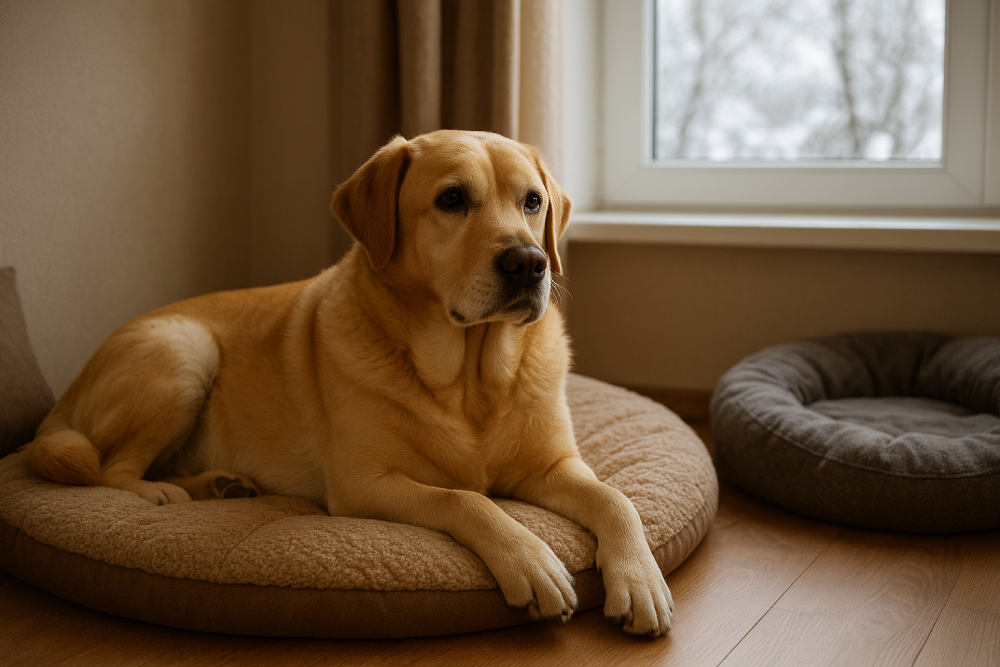
Some pet parents create a designated play zone with toys, blankets, and a warm bed. This not only gives dogs a sense of ownership over their space but also keeps the rest of the home organized. During long snowfall weeks, this cozy zone becomes your dog’s sanctuary—a place where they feel secure, entertained, and relaxed.
Indoor Games That Work Even in Very Small Spaces
Indoor games are one of the easiest ways to burn physical energy. They stimulate playfulness while strengthening your bond with your dog.
Tug of War: A Power-Packed Classic
Tug of war may look simple, but it provides a surprisingly intense workout. Dogs love the resistance and excitement of the tugging motion. It strengthens their muscles, improves grip, and gives them a safe outlet to express natural instincts like pulling and shaking.
Soft Fetch in Narrow Spaces
Even if you live in a small apartment, a soft ball tossed gently across the room or hallway can be enough to satisfy the dog’s desire to chase. Using plush toys instead of hard balls prevents damage to walls and furniture and keeps the environment safe.
Hide & Seek for Emotional Bonding
Hide behind doors, curtains, or furniture and call your dog’s name. Their excitement while searching for you boosts their confidence and strengthens their trust in you. This game uses the dog’s sense of smell and hearing and creates an emotionally enriching experience.
The Cup Game for Mental Sharpness
This is a simple yet powerful brain game. Your dog watches you hide a treat under one of the cups. By guessing and sniffing, they activate their mental faculties. Games like these keep dogs intellectually challenged and prevent cognitive dullness during winter.
Mental Enrichment: Keeping the Brain Busy Indoors
Mental stimulation is often overlooked, but it is equally important as physical exercise—sometimes even more. When a dog’s brain is active, they feel calmer, more balanced, and more content.
Puzzle Toys That Require Thinking
Puzzle feeders, interactive treat dispensers, and slow-feeder bowls turn mealtime into an activity. Dogs work using their nose, paws, and mind to unlock treats, which keeps them busy and naturally reduces boredom.
DIY Nose Work Games
You can hide treats behind cushions, under blankets, or inside containers. Dogs love searching, sniffing, and discovering rewards. Sniffing activities are mentally soothing and often reduce anxiety.
Training Sessions That Sharpen Skills
Whether your dog is learning a new trick or refreshing an old one, training exercises stimulate their mind. Commands like roll over, spin, touch, or high-five challenge their attention and problem-solving skills. This keeps their brain active even when their body can’t go outside.
Indoor Exercises for Physical Strength and Mobility
Even without outdoor walks, dogs can still maintain flexibility, strength, and overall fitness through controlled indoor exercises.
Safe Stair Walking
If your staircase is carpeted or non-slippery, a slow walk up and down works wonders for burning calories. It strengthens the hind legs, improves balance, and builds stamina—always supervised, of course.
Indoor Obstacle Course
Using everyday objects like chairs, pillows, buckets, and cushions, you can create a small agility path. Dogs can crawl under chairs, jump over rolled blankets, or weave between pillows. This boosts their coordination and confidence.
Homemade Ball Pit Fun
Fill a large box or tub with plastic balls and hide a toy inside. Dogs love diving in, searching, and rummaging through the balls. It’s playful, safe, and highly engaging.
Calming Activities for Dogs Affected by Winter Anxiety
Some dogs get anxious during heavy snowfall—especially when winds howl and the environment changes drastically.
Massage and Gentle Touch Therapy
Slow, intentional massage reduces stress, improves blood flow, and relaxes tight muscles. It also improves the emotional connection between you and your dog.
Lick Mats and Chew Toys
Licking releases calming hormones in dogs. A peanut-butter-coated lick mat can soothe anxiety and keep dogs occupied for long periods.
Warm Towel Rubs
A warm towel rub gives comfort on cold days, eases stiffness, and helps dogs unwind.
Making Mealtimes More Interesting During Snowfall
Feeding routines become even more important during winter. Warm meals, slow feeders, herbal broths, and slightly thicker foods help support digestion and keep your dog energized. You can mix vegetables, lean meats, and rice to create wholesome winter meals. Engaging feeders turn mealtime into a fun, slow-paced challenge that stimulates both mind and body.
Maintaining Emotional Connection During the Winter Season
Aside from games and toys, one of the most important things your dog needs during winter is emotional closeness. Heavy snowfall often disrupts routines, but your presence gives them stability. Spending more time cuddling, communicating, or simply sitting together creates comfort and reassurance.
A few minutes of daily bonding makes your dog feel safe, loved, and emotionally fulfilled—even when the world outside is covered in snow.
Final Thoughts
Heavy snowfall in Himachal Pradesh doesn’t have to limit your dog’s happiness or energy. With the right mix of indoor games, mental enrichment, calming activities, warm spaces, and emotional bonding, your dog can enjoy a fulfilling life indoors. Winter becomes easier, days feel shorter, and your furry companion stays healthy, active, and joyful until the snow melts and the outdoors beckons again.