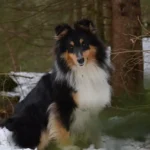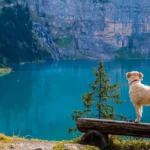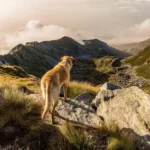

Winter in the Himalayas (November–March)
Harsh winds, freezing temperatures, frost, snow-covered landscapes
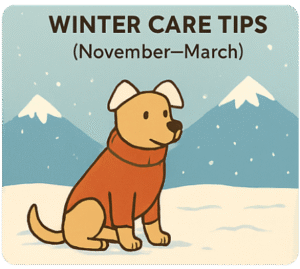
Winter in the mountains is enchanting, with snowy peaks, sparkling mornings, and crisp air. Yet for dogs, this charm comes with serious risks. The cold becomes more intense at night, and even hardy mountain breeds can struggle in extended freezing conditions.
How Winter Affects Dogs
Cold weather forces a dog’s body to burn more energy to maintain warmth. This is why you may notice an increased appetite, longer naps, and lower energy levels during harsh spells. Puppies, senior dogs, small breeds, and short-coated dogs feel cold more intensely because their insulation is naturally limited.
Comfort, Warmth & Living Environment
A warm, comfortable sleeping space becomes essential. Dogs sleeping directly on cold floors may develop stiff joints or discomfort. Thick bedding, insulated mats, and draft-free corners help maintain body warmth. Many pet parents assume thick-coated breeds need no protection—but even they can get cold if exposed to icy winds for long durations.
Gentle sunlight during winter afternoons plays a vital role. Allowing your dog to sit or sleep in the sun not only provides warmth but also boosts mood and helps maintain vitamin levels.
Coat & Skin Changes in Winter
Winter air is dry, and the skin often becomes flaky. Dogs may scratch more, and their coat may appear dull if grooming routines are neglected. Even though bathing frequency decreases, brushing becomes more important to keep natural oils evenly distributed.
Winter Health Cautions
Frostbite is one of the most underestimated risks in Himalayan winters. Snow or frozen surfaces can damage paw pads, causing cracks or fungal infections. Older dogs, especially breeds like Labradors, German Shepherds, and Himalayans, may struggle with joint stiffness, making them slower in the mornings.
Winter Diet Behaviour
Most dogs naturally gravitate toward warmer, richer meals in winter. Foods like chicken broth, bone soup (without salt), boiled eggs, or a small amount of ghee can help them maintain body warmth and energy.
Summer in the Himalayas (April–June)
Dry heat, extended sunlight, mountain hikes, dusty trails

Summer in the Himalayas is far more comfortable than the intense heat of the plains, but it brings its own worries—especially for thick-coated dogs like St. Bernards, Huskies, German Shepherds, Belgian Malinois, and Golden Retrievers. Long coats trap heat, and dogs can become exhausted quickly while walking uphill trails.
How Summer Impacts Mountain Dogs
Dogs tend to lose a significant portion of their winter coat during early summer. This heavy shedding is the body’s preparation for warmer spells. Their preference for cooler surfaces, increased thirst, and reduced appetite during the hottest hours of the day are normal behaviours in this season.
Heat Management
Providing cool, shaded areas is essential. Even in Himalayan regions, dogs can experience heat fatigue when they sit for long in direct sun. The mountain sun, though mild, can be surprisingly harsh—especially during midday treks.
You may notice dogs digging the ground to create a cool pit or preferring tiles and stone floors during the day. This is their natural cooling instinct.
Summer Grooming Challenges
Despite the temptation, shaving a dog’s fur is discouraged because their coat naturally regulates temperature by trapping or releasing heat. Instead, focus on regular brushing to remove loose hair and improve ventilation.
Summer is also when ticks are most active. Forest trails and grassy hillsides become breeding grounds for parasites, making preventive care and daily body checks extremely important.
Hydration & Dietary Adjustments
Dogs may crave lighter meals during warm afternoons. Cold foods like curd, soaked kibble, or watermelon pieces help maintain hydration levels. Many dogs also drink more water during summer hikes, so carrying clean drinking water on treks is essential.
Monsoon in the Himalayas (July–September)
High humidity, muddy trails, wet fur problems, infection risks
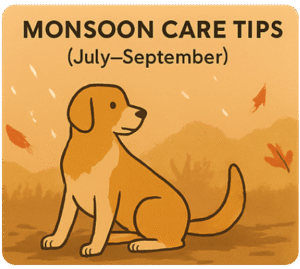
The monsoon season turns the Himalayas into a lush green paradise, but the dramatic rise in humidity and moisture creates perfect conditions for fungal infections, parasitic outbreaks, and digestive issues in dogs.
Living Conditions During Monsoon
Constant moisture around the home—wet floors, damp bedding, and soaked outdoor areas—can create discomfort for dogs. If a dog’s coat remains wet for long, it can lead to fungal growth or strong odours. Ensuring the dog stays dry after each walk becomes crucial.
Skin, Coat & Ear Concerns
During monsoons, the biggest issues are related to the skin. The combination of mud, dirt, and moisture can irritate sensitive skin and even cause rashes. Dogs with long ears, such as Cocker Spaniels, Beagles, and Retrievers, are especially prone to ear infections because humidity encourages bacterial growth inside the ear canal.
Monsoon Behavioural Changes
Dogs tend to be more restless during rainy days because outdoor activity is restricted. Loud thunderstorms may cause anxiety in some dogs, making them clingier or fearful during storms.
Monsoon & Digestion
Contaminated water is a major concern during monsoon months. Dogs that drink from puddles, roadside water, or unclean bowls often develop stomach infections, diarrhea, or lack of appetite. Keeping fresh drinking water available and cleaning bowls regularly is essential.
Tick Resurgence
Even though ticks reduce in peak winter, monsoon brings them back in full force. Long grass, moist soil, and forest areas become breeding spots. Regular tick prevention becomes a non-negotiable part of monsoon care.
Autumn & Early Spring (Transition Seasons)
Shedding cycles, temperature fluctuations, dust allergies
Transition months in the Himalayas bring unpredictable weather—warm days, cool evenings, and sudden chilly winds. Dogs tend to shed heavily during these seasons as their bodies prepare for the upcoming temperature changes.
Seasonal Allergies
Dust and pollen levels often rise during autumn, leading to sneezing, watery eyes, or mild cough in sensitive dogs. These symptoms usually settle once the weather stabilizes.
Energy & Appetite Changes
Many dogs display unusual hunger patterns during spring, either eating more due to increased activity or eating less as temperatures fluctuate. Understanding these natural shifts helps pet parents adapt feeding routines accordingly.
Coat Management
Brushing becomes extremely important during shedding months. Removing dead fur supports better coat growth and reduces skin irritation, making the transition smoother.
Year-Round Essentials for Himalayan Dogs
Regardless of the season, a few practices remain the foundation of good dog health in the Himalayas. Regular hydration, checkups, balanced food, and consistent grooming significantly impact a dog’s long-term wellbeing.
Joint health is a major area of concern for mountain breeds, especially those who frequently walk on uneven slopes. Supplements recommended by a veterinarian can help large breeds maintain mobility.
Mental stimulation is equally important. Living in the mountains offers beautiful free space, but dogs still need structured play, training, and bonding activities to remain confident and well-behaved.
Final Thoughts: A Season-Ready Dog is a Healthy Dog
The Himalayan climate is dynamic, often shifting within hours. For dogs living in these landscapes, adapting their care according to the season is the key to maintaining good health and happiness. Whether it’s the dense cold of winter, the heavy rains of monsoon, the shedding cycles of spring, or the mild warmth of summer, each season brings opportunities to strengthen your bond with your dog through mindful care.
A dog that is understood, protected, and cared for according to the environment thrives in spirit and health—enjoying the beauty of the mountains just as much as you do.