
Common Health Issues in Mountain Dogs & How to Prevent Them
Life in the Mountains: How Environment Shapes a Dog’s Body
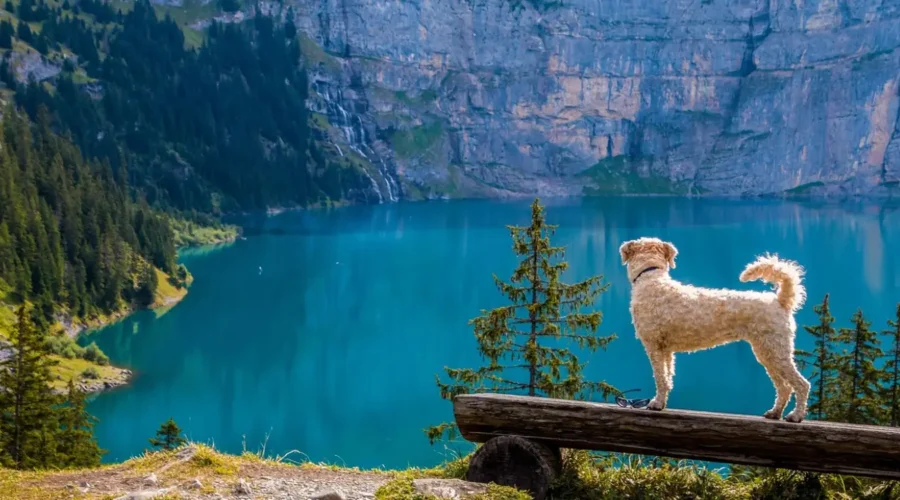
Mountain environments are dynamic. Morning sunlight may be gentle and warm, but by evening the same place turns icy and unforgiving. Dogs must constantly adjust their body temperature to match the environment. This constant metabolic balancing act uses up energy and strength. While mountain dogs tend to develop thick winter coats, the sharp drop in temperature during nights and post-snowfall can still cause their skin to become dry, their joints stiff, and their breathing heavier.
Unlike city dogs who spend time mostly indoors, mountain dogs move more, run more, and climb more. Their bodies remain strong, but also absorb greater physical strain. Even the healthiest mountain dogs face internal and external pressures that owners may not notice immediately. These slow-building challenges, if ignored, can turn into chronic issues.
Continue Reading
Homemade High-Energy Dog Food for Cold Climates
The Importance of High-Energy Diets in Winter
During winter, a dog’s metabolism works harder to maintain body temperature, leading to increased caloric needs. Even dogs with thick fur coats lose heat through their paws, ears, and skin when exposed to low temperatures. When dogs navigate snow-covered trails, run, or play outdoors, they burn calories at a significantly higher rate than they would in warmer conditions. A high-energy diet helps prevent weight loss, maintains muscle mass, supports immunity, and ensures dogs remain active and healthy throughout the season.
Winter energy requirements are often underestimated, especially in breeds accustomed to temperate climates. Low temperatures can suppress appetite in some dogs, which may inadvertently lead to energy deficiencies. Therefore, meals need to be nutrient-dense and palatable to encourage adequate consumption. Providing food that is warm, aromatic, and flavorful can stimulate appetite, making it easier for dogs to meet their higher caloric demands. Inadequate nutrition during the cold season may result in lethargy, weakened immune response, and vulnerability to illnesses, making proper winter feeding critical for mountain dogs’ overall well-being.
Continue Reading
Dog-Friendly Places to Visit in Kullu–Manali
Understanding the Challenges of Traveling With Dogs in the Mountains
Before diving into the best dog-friendly spots, it’s essential to understand the unique challenges dogs face in high-altitude regions like Kullu–Manali. Unlike urban environments, mountainous areas have thinner air, colder temperatures, and uneven terrains, all of which can affect your dog’s health and comfort.
Best Dog Breeds That Thrive in Cold Mountain Regions (Like Kullu–Manali)
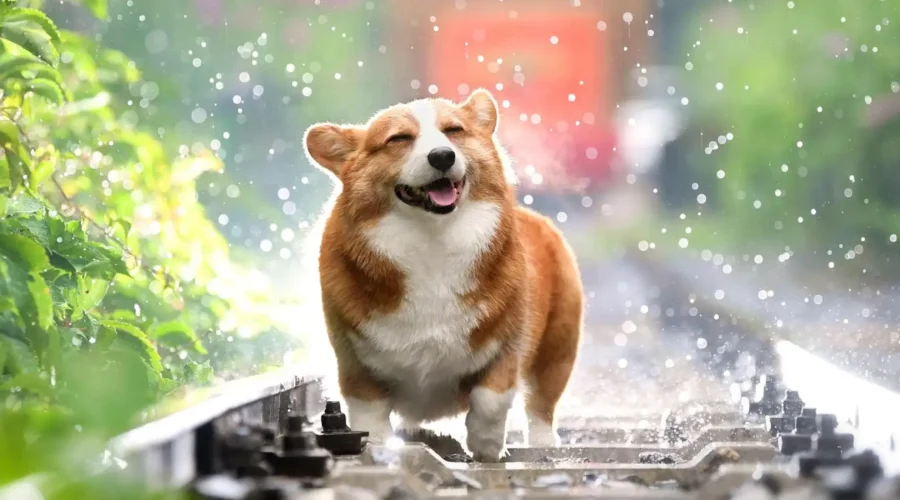
Living in cold mountain regions such as Kullu–Manali comes with breathtaking beauty, fresh snowfall, and crisp Himalayan winds—but it also brings challenging conditions that not every dog can withstand. In these regions, winters often last for months, temperatures drop below freezing, and the terrain becomes rugged and slippery. For dog lovers living in or moving to such areas, choosing the right breed becomes extremely important. Many dogs struggle in sub-zero conditions, while some breeds have evolved or been specially bred to thrive in snow-covered, mountainous landscapes.
Mountain-friendly dog breeds possess certain traits that make them naturally suited for harsh climates: thick double coats, strong muscles, high endurance, and a calm yet alert temperament. Their bodies are built to retain heat, conserve energy, and navigate uneven terrain safely. If you dream of having a loyal furry companion who enjoys the snow as much as you do, it’s crucial to pick a breed that can handle the Himalayan lifestyle throughout the year. Below is a detailed, long-form guide to the best dog breeds for cold mountainous regions like Kullu–Manali, along with an understanding of their personalities, natural strengths, and suitability for life in the hills.
Continue Reading