
Common Health Issues in Mountain Dogs & How to Prevent Them
A Long-Form, Detailed Blog for Himalayan Pet Owners
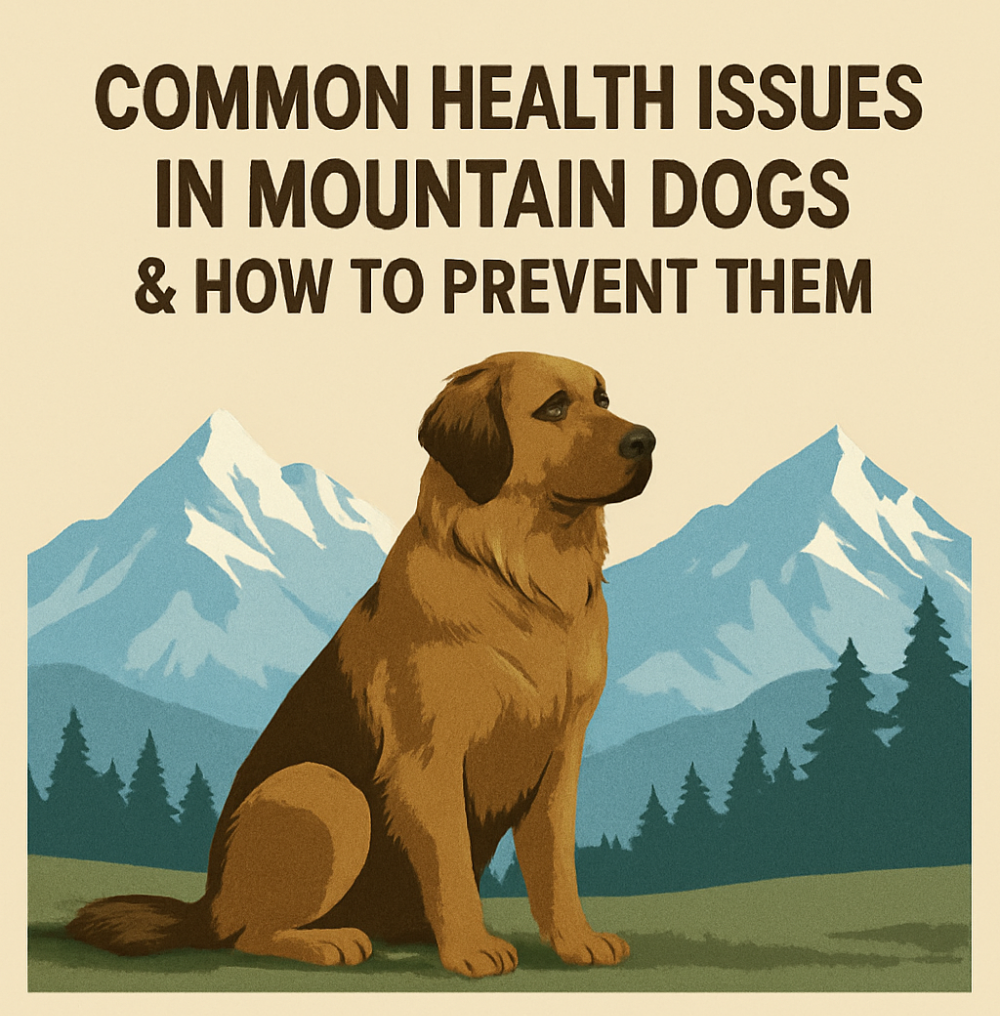
Mountain dogs live in some of the most beautiful environments on earth, surrounded by snow-capped peaks, fresh flowing rivers, forests of deodar and pine, and crisp, clean air. Places like Manali, Kullu, Shimla, Uttarkashi, Dharamshala, and the remote belts of Lahaul–Spiti give dogs a natural playground where they can run, explore, and grow strong. But behind the charm of mountain life lies an environment that tests both humans and animals. Cold winds, steep slopes, thin oxygen, wild terrain, and sudden climatic changes pose unique challenges for the health of dogs living at high altitudes. Understanding these issues is essential for anyone raising dogs in the Himalayas or similar mountainous regions.
Life in the Mountains: How Environment Shapes a Dog’s Body
Mountain environments are dynamic. Morning sunlight may be gentle and warm, but by evening the same place turns icy and unforgiving. Dogs must constantly adjust their body temperature to match the environment. This constant metabolic balancing act uses up energy and strength. While mountain dogs tend to develop thick winter coats, the sharp drop in temperature during nights and post-snowfall can still cause their skin to become dry, their joints stiff, and their breathing heavier.
Unlike city dogs who spend time mostly indoors, mountain dogs move more, run more, and climb more. Their bodies remain strong, but also absorb greater physical strain. Even the healthiest mountain dogs face internal and external pressures that owners may not notice immediately. These slow-building challenges, if ignored, can turn into chronic issues.
Altitude and Respiration: Why Mountain Dogs Breathe Differently
One of the most commonly ignored yet important health challenges is the effect of altitude on a dog’s lungs. High-altitude regions have less oxygen in the air. Dogs breathe faster to compensate, which can sometimes lead to respiratory discomfort, especially in younger dogs or dogs who have recently relocated from plains. Cold winds irritate the nasal passages and throat, causing dryness or coughing. Some dogs may even experience altitude-related fatigue where they appear dull, less energetic, or uninterested in their usual activities.
Short-nosed breeds like Pugs, Bulldogs, and Boxers face bigger challenges because their nasal structure already restricts airflow. For them, even a short walk uphill becomes tiring. In winter, the cold mist added to high-altitude air further stresses their lungs. These dogs need more care and warm indoor environments to stay comfortable.
Joint Pain and Mobility Challenges in Cold Weather
Mountain dogs often run freely in natural landscapes, which is excellent for their body but also puts pressure on their joints. Older dogs, large-breed dogs, and puppies may struggle more during winter. Cold temperatures reduce the natural lubrication in joints, making movement stiffer and at times painful. Dogs may hesitate before climbing stairs or jumping, or may show discomfort while standing up after resting.
The natural terrain, with uneven ground, slippery rocks, patches of snow, and steep inclines, adds even more stress to joints. Many dogs develop early signs of joint discomfort without owners noticing: slower walks, stiffness in the morning, or reluctance to play. If ignored over years, this can turn into serious mobility issues.
The Hidden Threat of Dry Skin and Seasonal Irritation
Mountain winters are beautiful but extremely drying. Dogs lose moisture from their skin due to constant exposure to cold winds. Even staying indoors can be dehydrating because room heaters reduce humidity. As a result, dogs may develop flaky skin, dandruff, and itching. Snow and frozen mud can irritate sensitive skin around the belly, paws, and ears.
In summer, the dryness is replaced with pollen, fine dust, and forest allergens that can trigger seasonal itching. Dogs with dense fur may develop hotspots and fungal patches during monsoon due to moisture trapped inside their coats. Without regular grooming, these problems intensify, making dogs uncomfortable for months.
Paw Damage: The Most Common yet Most Ignored Issue
A dog’s paws are in constant contact with the harsh reality of mountain terrain. Snow, frost, ice, stones, and rough ground can cause injury without owners realizing it. Snow tends to clump between the paw pads, causing irritation or frostbite in extreme cold. Dogs may lick their paws repeatedly because the skin becomes cracked and sensitive.
In summer and monsoon, the terrain becomes muddy and uneven. The paw pads can get cuts from sharp rocks or thorns. Dogs running downhill place extra pressure on their paws, which sometimes leads to wearing out of the pads. Chemical salts used on icy roads can also cause burns. Without proper care, paw injuries worsen quickly because dogs continue walking on them, preventing healing.
Nutritional Needs: Why Mountain Dogs Need More Than Regular Feeding
Dogs living in cold and high-altitude regions burn more calories simply to stay warm. Their bodies work harder to maintain temperature, repair cells, and support muscle movement. Feeding them the same quantity and type of food throughout the year often leads to nutritional imbalances. In winter, dogs may require more protein and healthy fats to maintain body warmth and energy. In summer, more hydration is needed to prevent fatigue and overheating.
Another issue seen in mountain dogs is irregular eating patterns. Many dogs lose their appetite during extreme cold or rainy days. Without proper supplementation or balanced meals, they may develop low immunity, making them susceptible to infection, coat dullness, or weakness.
Parasites in Mountain Regions: A Hidden Reality
Mountain dogs, especially those living near forests or visiting trails, are frequently exposed to ticks and fleas. Even during winter, parasites survive inside warm homes, barns, or wooden structures. Tick fever, skin infections, and parasite-induced anemia are common but often detected late. Because many mountain dogs have thick jackets of fur, ticks remain hidden for long periods, making detection harder.
Stray dogs in towns like Shimla, Kullu, and Manali act as carriers. When pet dogs interact with them or share outdoor areas, parasites spread easily. Regular check-ups are critical, but many owners underestimate this risk because of the cold climate.
Digestive Troubles and Seasonal Sensitivities
Cold weather slows digestion, especially in dogs with sensitive stomachs or irregular feeding routines. Sudden dietary changes in winter or monsoon can lead to vomiting, gas, or loose stools. Mountain dogs also tend to consume more grass because of digestive discomfort. Water contamination during monsoon months can introduce parasites that affect the stomach.
Feed quality also fluctuates in remote regions, depending on availability. Poor-quality treats or stale dog food during off seasons may also cause digestive issues. Proper nutrition and hydration remain essential for maintaining gut health.
Behavioral Changes Triggered by Harsh Weather
Mountain dogs often experience long periods of isolation during heavy snowfall. When roads close and outdoor spaces shrink, dogs may feel confined. They miss the freedom of running across open land and begin showing signs of frustration. Some dogs become excessively sleepy, while others become hyperactive indoors. Anxiety caused by thunderstorms, wind sounds, and avalanches also affects their mental balance.
Young, energetic dogs suffer the most because their bodies demand activity. Without mental stimulation, they may develop destructive habits such as chewing, pacing, or excessive barking. Understanding their emotional needs becomes just as important as physical health care.
The Importance of Preventive Care and Early Observation
Mountain dogs are incredibly strong, but strength alone isn’t enough. Preventive care—regular grooming, joint support, parasite checks, seasonal nutrition, and emotional enrichment—makes a huge difference in long-term health. Dogs give subtle signals long before a problem becomes serious: slower walks, excessive licking, mood changes, reduced appetite, or altered sleeping patterns. Observing these early signs helps avoid complications.
With consistent care, owners can protect their dogs from most mountain-related health issues. Preventive care becomes an investment in the dog’s future, ensuring they age gracefully and stay active in the harshest seasons.
Conclusion: Healthy Dogs, Happier Mountain Life
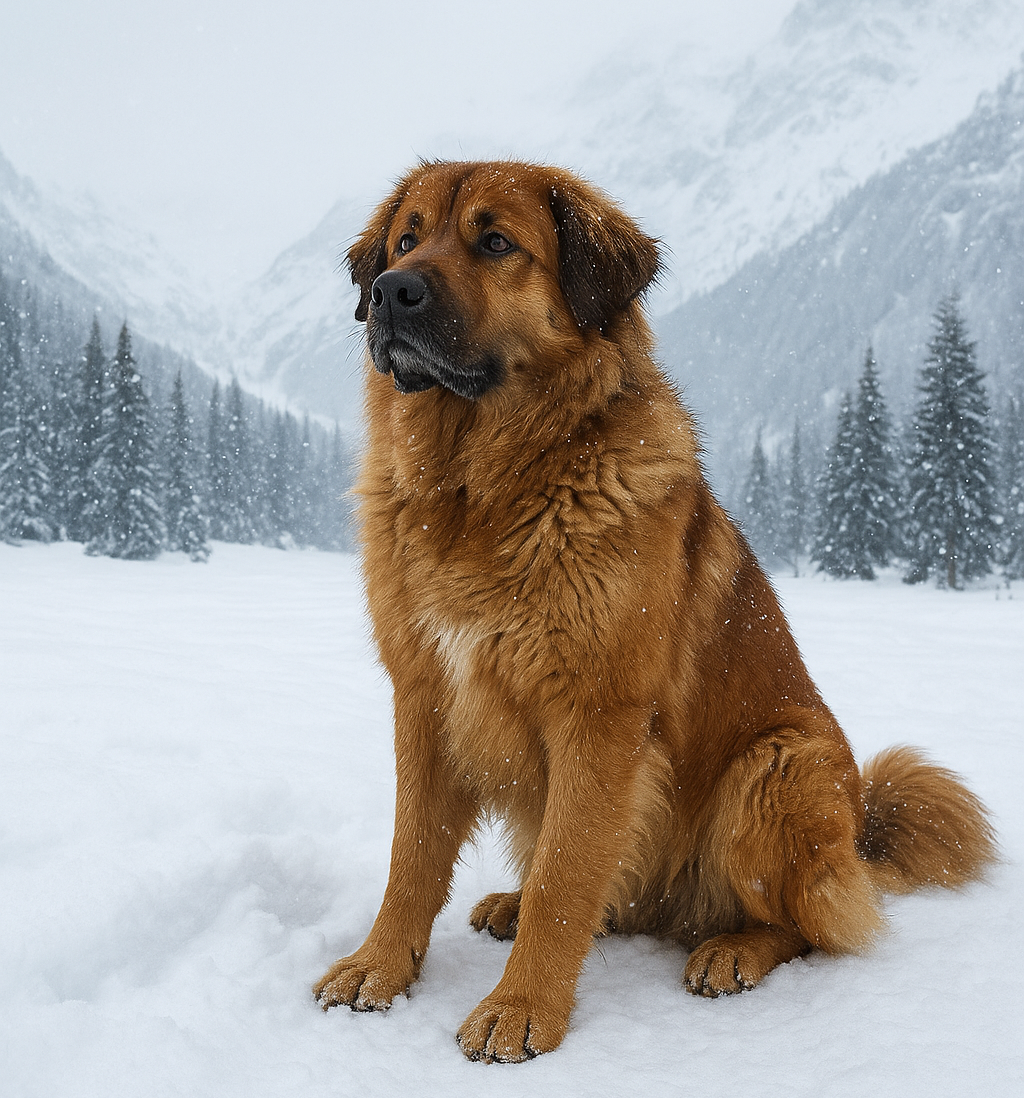
Raising a dog in the mountains is a deeply rewarding experience. The fresh air, natural exercise, and peaceful environment create the perfect life for a canine companion. But the unique climate demands attentive care. By understanding how altitude, temperature, terrain, and seasonal changes affect dogs, owners can prevent common health issues before they turn serious. A mountain dog that receives proper grooming, balanced nutrition, joint protection, and emotional comfort will enjoy a long, energetic, and fulfilling life—exploring trails, running through forests, and becoming a true part of the majestic Himalayan landscape.