

High-Energy Homemade Dog Food for Cold Mountain Regions
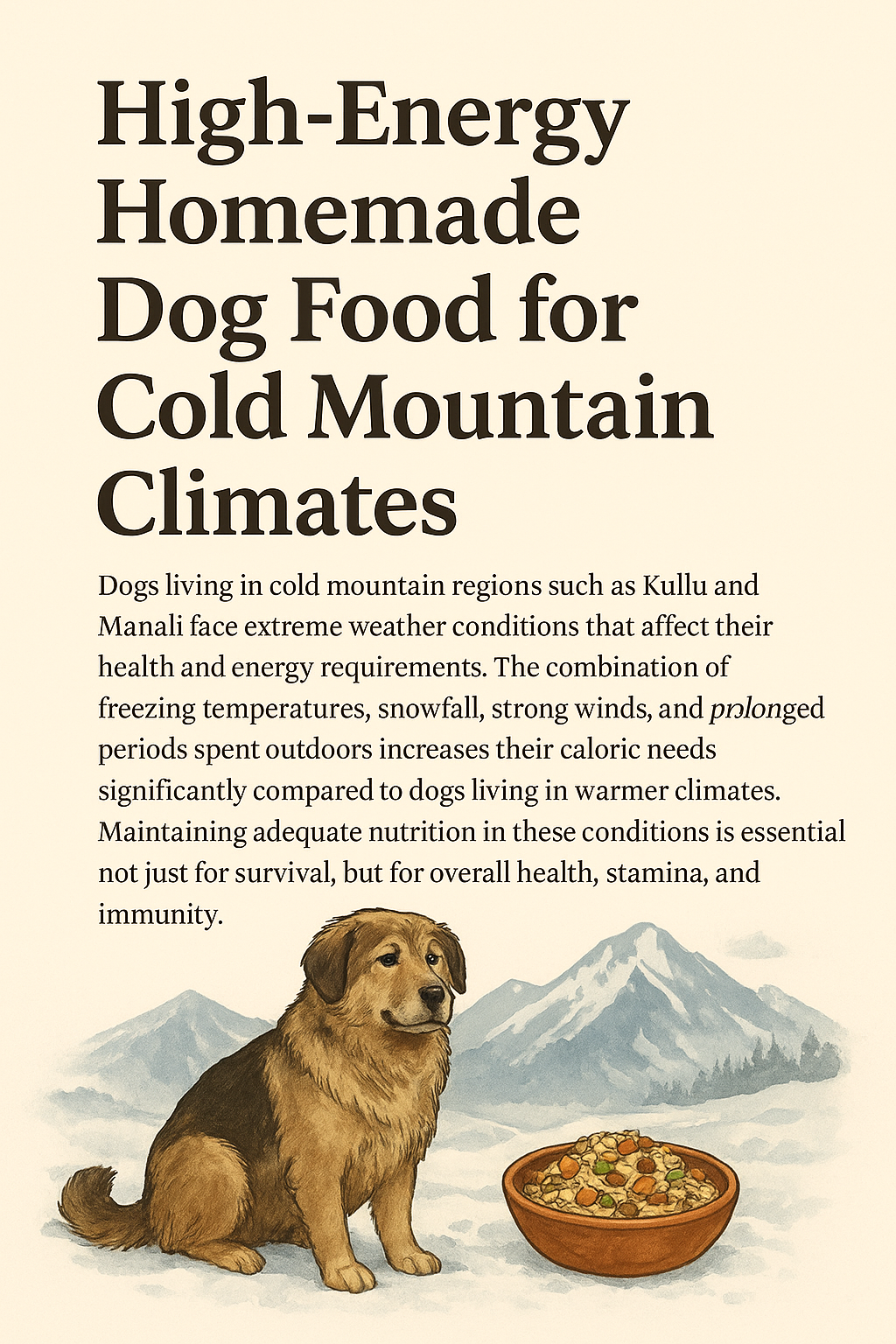
Dogs living in high-altitude regions such as Kullu, Manali, Spiti, and other Himalayan areas face unique challenges during the winter months. Freezing temperatures, heavy snowfall, and strong winds not only affect their comfort but also their overall energy requirements and health. Unlike dogs in milder climates, mountain dogs expend far more calories simply to maintain body warmth, navigate snow-covered terrains, and stay active outdoors. Their bodies naturally burn more energy to regulate core temperature, and this energy expenditure increases further with physical activity, such as walking, running, or climbing steep mountain trails. Feeding these dogs a nutritious, high-energy diet is therefore crucial, and homemade meals prepared with fresh local ingredients can provide the warmth, energy, and balanced nutrition they need to thrive during the harsh winter season.
Proper nutrition is more than just a means of sustaining life—it directly affects a dog’s vitality, immunity, and overall resilience against cold-related stress. Mountain dogs often accompany their owners on treks, outdoor chores, and long walks even during winter, requiring energy-dense diets that go beyond standard maintenance feeding. Homemade meals offer flexibility and customization, ensuring that each dog’s specific needs, activity level, age, and breed characteristics are taken into account. With the right balance of protein, fat, carbohydrates, and micronutrients, dogs not only survive but flourish in these cold and demanding environments.
The Importance of High-Energy Diets in Winter
During winter, a dog’s metabolism works harder to maintain body temperature, leading to increased caloric needs. Even dogs with thick fur coats lose heat through their paws, ears, and skin when exposed to low temperatures. When dogs navigate snow-covered trails, run, or play outdoors, they burn calories at a significantly higher rate than they would in warmer conditions. A high-energy diet helps prevent weight loss, maintains muscle mass, supports immunity, and ensures dogs remain active and healthy throughout the season.
Winter energy requirements are often underestimated, especially in breeds accustomed to temperate climates. Low temperatures can suppress appetite in some dogs, which may inadvertently lead to energy deficiencies. Therefore, meals need to be nutrient-dense and palatable to encourage adequate consumption. Providing food that is warm, aromatic, and flavorful can stimulate appetite, making it easier for dogs to meet their higher caloric demands. Inadequate nutrition during the cold season may result in lethargy, weakened immune response, and vulnerability to illnesses, making proper winter feeding critical for mountain dogs’ overall well-being.
Benefits of Homemade Dog Food
While commercial dog food can meet basic nutritional needs, homemade meals provide several advantages for dogs living in cold climates. Fresh, locally sourced ingredients ensure optimal nutrient density while minimizing exposure to preservatives, fillers, and artificial additives present in many packaged foods. Warm homemade meals can stimulate appetite, aid digestion, and provide internal warmth, which is particularly beneficial during freezing temperatures.
Additionally, homemade diets allow customization based on a dog’s age, activity level, and health status. Puppies require growth-supporting nutrients, senior dogs benefit from joint-supporting ingredients, and highly active adult dogs need calorie-dense meals to sustain stamina. Homemade meals also foster closer human-animal interaction, as owners can observe their dog’s preferences, tolerances, and reactions to different foods, making it easier to adjust diet plans for optimum health.
Essential Ingredients for Winter Dog Nutrition
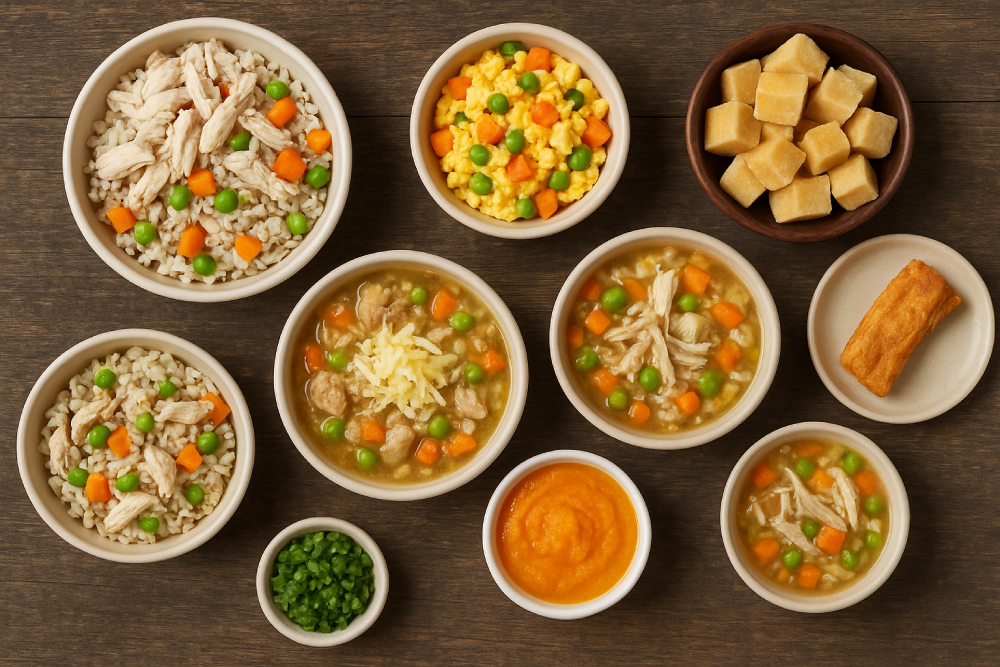
Eggs
Eggs are a nutrient powerhouse, rich in high-quality protein, vitamins, and healthy fats. They support muscle maintenance, energy production, and warmth, making them ideal for active winter dogs. Soft-boiled or scrambled eggs can be mixed with grains or vegetables to form a balanced meal.
Chicken
Lean chicken provides easily digestible protein and essential amino acids necessary for muscle repair and sustained energy. Boiled or steamed chicken is perfect for cold climates, helping maintain strength without adding excessive fat.
Rice and Grains
Carbohydrates from rice, oats, or barley provide slow-releasing energy that keeps dogs active throughout the day. These grains are gentle on the stomach and pair well with proteins and vegetables for balanced meals.
Yak Cheese (Chhurpi)
A Himalayan specialty, yak cheese is rich in protein and calcium. Its slow-digesting nature makes it ideal for energy-intensive days and promotes dental health when given as a chew treat. Finely grated or given in chunks, yak cheese adds both calories and flavor.
Vegetables
Carrots, pumpkin, peas, beans, and leafy greens like spinach provide fiber, vitamins, minerals, and antioxidants. They enhance immunity, aid digestion, and help maintain overall wellness during harsh winter months. Steaming or lightly cooking vegetables improves digestibility and nutrient absorption.
Healthy Fats
Small amounts of ghee, chicken fat, or fish oil provide concentrated energy and help maintain body warmth. Fats also support skin and coat health, ensuring dogs’ fur remains thick and insulated against cold winds.
Warm Broths
Chicken, mutton, or vegetable broths improve hydration, enhance flavor, and provide internal warmth, making meals more palatable during frigid temperatures. Broths are especially beneficial for older dogs or those with reduced appetite.
Nutritious Homemade Meal Recipes
Warm Chicken and Rice Energy Bowl
Boil boneless chicken until tender and cook rice separately. Lightly steam vegetables such as carrots, peas, and beans. Mix together and add a teaspoon of chicken fat or half a teaspoon of ghee. A pinch of turmeric supports immunity. Serve warm to provide sustained energy for walks, outdoor play, and snowy adventures.
Egg and Vegetable Winter Stir Mix
Combine eggs with soft-boiled vegetables like pumpkin, potatoes, or spinach. Add a teaspoon of olive oil or fish oil to increase healthy fat content. This dish is digestible, warming, and ideal for small breeds, senior dogs, or dogs with lower appetites in winter.
Himalayan Yak Cheese and Chicken Stew
Boil chicken with turmeric, then add rice or oats and vegetables like pumpkin and carrots. Sprinkle finely grated yak cheese on top. The cheese releases energy slowly, while the broth keeps dogs hydrated and warm. Perfect for highly active mountain dogs.
Winter Protein Boost Soup
For puppies or senior dogs, combine shredded chicken, soft rice, and vegetables in a thick broth. Add a teaspoon of coconut oil for extra healthy fats. This soup provides warmth, hydration, and essential nutrients gently, supporting sensitive or aging dogs.
High-Calorie Puppy Mix
Growing puppies in cold climates require extra calories. Mix a boiled egg, rice, mashed pumpkin, finely chopped chicken liver, and a few drops of fish oil. This combination provides essential protein, fats, vitamins, and minerals to build strong bones, muscles, and stamina.
Healthy Winter Treats
Treats supplement meals by providing extra calories and mental stimulation. Yak cheese chunks, chicken jerky, boiled sweet potatoes, and homemade dog biscuits made from oats and eggs are excellent winter options. Chewable treats like yak cheese also promote dental health while delivering slow-releasing energy, keeping dogs engaged even during days when outdoor activity is limited.
Winter Feeding Guidelines
During cold months, feeding practices must adapt to seasonal challenges. Increase meal portions by 10–20% to compensate for higher caloric needs. Serve food warm rather than cold to stimulate appetite and aid digestion. Provide water at room temperature or slightly warmed to prevent icy water consumption, which can lower internal body temperature. Feeding two larger meals instead of several smaller ones helps maintain sustained energy throughout the day. Healthy fats are essential, but should be balanced to prevent digestive upset or excessive weight gain.
Foods to Avoid in Winter
Certain foods are harmful year-round, but winter conditions can magnify their negative effects. Avoid onions, garlic, chocolate, deep-fried foods, salty or spicy human foods, and milk for lactose-intolerant dogs. These items can cause digestive upset, toxicity, or other serious health issues. Stick to safe, wholesome ingredients to ensure maximum nutrition and health during the cold months.
Additional Winter Care Tips
Nutrition alone is not enough for dogs living in harsh mountain climates. Regular grooming keeps the coat thick, clean, and insulated. Paw care is essential to prevent cracks, frostbite, or injury from ice and snow. Adequate shelter, bedding, and protection from winds ensure dogs retain body warmth. Physical activity should continue in moderation—long enough to maintain stamina but not so intense that dogs are overexposed to extreme cold. Combining proper diet, hydration, and winter care ensures dogs remain energetic, comfortable, and healthy throughout the season.
Final Thoughts
Homemade dog food is one of the most effective ways to support your dog’s health and energy in cold mountain regions. By using fresh local ingredients like eggs, chicken, rice, vegetables, yak cheese, and healthy fats, you can prepare meals that are nutritious, warming, and energy-dense. High-energy homemade diets, along with proper feeding practices, hydration, and winter care, help dogs maintain a healthy weight, strong immunity, and abundant vitality. Cold climates place higher nutritional demands on dogs, and these simple yet effective recipes meet those needs. Incorporating these meals into your dog’s routine ensures they enjoy the mountains safely, happily, and healthily, thriving even in the most challenging winter conditions.