
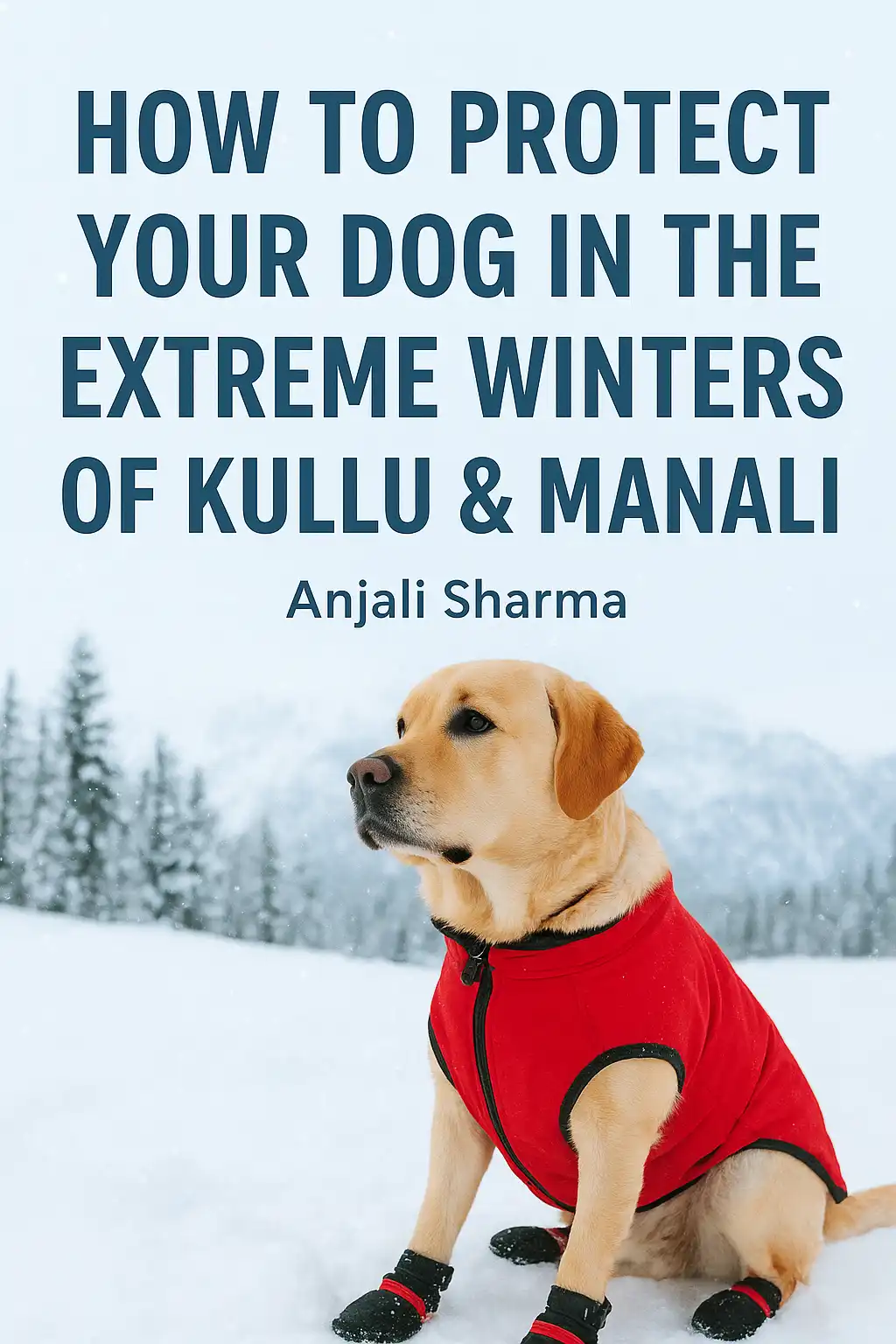
How to Protect Your Dog in the Extreme Winters of Kullu & Manali
Kullu–Manali is one of India’s most breathtaking Himalayan regions, famous for its pine forests, snow-capped mountains, apple orchards, and riverside landscapes. But while winter here is magical for tourists, it can be extremely harsh—sometimes dangerously so—for dogs. The temperature often drops below freezing, snow covers the valley for months, and icy winds make the environment unforgiving for dogs not naturally adapted to severe cold.
Whether you live in the region, are planning a winter vacation with your pet, or recently adopted a dog in the mountains, understanding how to protect your pet during extreme winters is essential. With the right care, food, grooming, and safety measures, your dog can enjoy the snow season comfortably and safely.
This comprehensive guide covers everything pet owners must know—from grooming and nutrition to paw care, winter clothing, indoor safety, and warning signs of frostbite or hypothermia.
1. Winter Grooming: Keep the Coat Healthy, Not Short
Many dog owners mistakenly believe that trimming their dog’s coat in winter will make grooming easier or prevent shedding. In extreme winter climates like Kullu–Manali, cutting a dog’s fur can actually be dangerous.
Why Grooming Matters More in Winter
A dog’s coat acts as natural insulation. The outer guard hair protects against snow and moisture, while the undercoat traps warm air close to the skin. Removing this protective layer increases the risk of cold stress, skin issues, and hypothermia.
Keep the Coat Natural
Avoid shaving or trimming during winter unless medically required. Mountain winters are too cold for short fur, even for hardy breeds.
Brush Regularly
Snow can cause matting, tangling, and moisture buildup. Regular brushing:
Removes stuck snow, debris, and ice particles
Keeps the coat fluffy and insulating
Distributes natural oils for moisture protection
Reduces itchiness caused by dry winter air
Prevents skin infections hidden under matted fur
Aim for brushing 3–4 times per week, especially for long-haired breeds like Golden Retrievers, German Shepherds, and Indies with dense winter coats.
Use Moisturizing Conditioners
Kullu–Manali’s winter winds are extremely drying. Occasional deep-conditioning baths prevent:
Flaky skin
Brittle hair
Excess shedding
Itching and irritation
Choose a gentle, natural pet conditioner—never use human products.
Limit Bath Frequency
Frequent baths strip away natural oils, leaving skin dry and unprotected. Bathe your dog only when necessary, and always dry them thoroughly before taking them outside. Even slight dampness can cause a rapid drop in body temperature.
2. Paw Protection: The Most Important Step in Winter Safety
In winter, dogs spend more time walking on snow, ice, and sometimes salt or chemicals used to melt ice on roads. These elements can burn, crack, or injure their paws.
Why Paw Protection is Critical
A dog’s paws are their only contact with the ground. In freezing conditions, paw pads become vulnerable to:
Frostbite
Cracking
Bleeding
Ice burns
Chemical irritation
Painful “snowballs” between toes
If untreated, paw injuries can lead to infections and long-term discomfort.
Apply Paw Balm or Wax
Use a quality paw balm such as Musher’s Secret before outdoor walks. It forms a protective barrier against:
Ice buildup
Snow clumps
Road salts
Sharp ice crystals
Rough, frozen ground
Reapply after long walks or snow play.
Use Dog Booties
Booties offer insulation and protect paws from freezing surfaces. Choose waterproof, grippy booties for better traction on ice. However, not all dogs tolerate them, so introduce them gradually.
Trim Excess Paw Hair
Long hair between the toes traps ice balls. Carefully trimming this hair helps prevent pain and limping.
Rinse Paws After Every Walk
Use lukewarm water to remove:
Ice
Sand
Dirt
Salt chemicals
Dry paws thoroughly each time to maintain warmth and prevent cracking.
3. Winter Nutrition: Feed for Warmth and Energy
Dogs burn significantly more calories during winter because their bodies work harder to maintain core temperature.
Increase Food Intake Slightly
Active dogs, working dogs, and mountain breeds may need 10–20% more food in peak winter.
Choose High-Protein, High-Fat Diets
Protein builds muscle and boosts immunity, while healthy fats help maintain body heat. Consider diets that include:
Chicken, lamb, or fish
Ghee (in very small amounts)
Omega-rich oils
Egg yolk
Meat broth
Always adjust changes gradually.
Serve Warm Meals
Cold food can shock the digestive system. Warm broth or slightly heated meals are excellent for stimulating appetite and raising body temperature.
Ensure Fresh, Unfrozen Water
Outdoor water bowls freeze quickly in mountain winters. Use:
Insulated bowls
Pet-safe heated water bowls
Frequent refills
Proper hydration is essential to prevent dehydration, which is common in cold climates.
4. Sleeping Arrangements: Keep the Nights Warm and Safe
Temperatures in Kullu–Manali often fall below –5°C at night, and in heavy snowfall pockets, it may dip below –10°C. Dogs require a warm, insulated sleeping environment.
Provide an Indoor Sleeping Space
Never let your dog sleep outside in extreme winter. Even hardy breeds can suffer from prolonged cold exposure.
Use Warm, Layered Bedding
Ideal winter bedding includes:
Fleece blankets
Soft quilts
Insulated foam beds
Raised cots to avoid cold flooring
Thermal mats for added heat retention
Avoid keeping dog beds near windows or doors where drafts are common.
Heated Pet Mats for Senior Dogs
Older dogs, especially those with arthritis, feel more discomfort in the cold. Heated pet mats or orthopedic winter beds help alleviate stiffness and joint pain.
Avoid Cold Tiles
Place rugs, carpets, or thick bedding to prevent direct contact with cold floors.
5. Snow Safety: Enjoy the Winter While Staying Cautious
While dogs love playing in snow, winter landscapes hide many dangers.
Avoid Deep Snow Areas
Short-legged or small dogs tire quickly in deep snow and risk hypothermia.
Watch for Hidden Hazards
Under layers of snow, there might be:
Sharp rocks
Frozen water bodies
Holes or uneven surfaces
Thorny bushes
Glass or debris
Always supervise your dog while outdoors.
Limit Outdoor Time During Heavy Snowfall
Wet fur loses insulation and can cause rapid body heat loss.
Do Not Let Your Dog Eat Snow
Snow may contain:
Chemicals
Fecal matter
Dirt
Sharp ice pieces
Eating snow can cause stomach upset or infections.
Use Reflective Gear
Visibility drops during snowfall, evenings, and fog. Reflective collars, jackets, and leashes help:
Prevent accidents
Make dogs visible to vehicles
Aid in locating your dog in low light
6. Winter Clothing: Which Dogs Need It?
While mountain breeds are naturally equipped for cold, many domestic breeds are not.
Breeds That Need Winter Jackets in Kullu–Manali
Beagles
Labradors
Golden Retrievers
Pugs
Pitbulls
Dachshunds
Indies
Spaniels
These breeds benefit from extra insulation.
Choose Proper Winter Clothing
Pick jackets that are:
Waterproof
Fleece-lined
Covering chest and belly
Snug yet breathable
Avoid tight clothing that restricts movement.
Breeds That Usually Don’t Need Jackets
Huskies
Tibetan Mastiffs
Saint Bernards
Alaskan Malamutes
Gaddi Dogs
However, sick, old, or injured mountain breeds may need extra warmth.
7. Watch for Warning Signs of Frostbite and Hypothermia
Winter in the Himalayas can worsen quickly. Recognizing early symptoms can save your dog’s life.
Signs of Frostbite
Frostbite affects extremities—ears, paws, and tail.
Symptoms include:
Pale, bluish, or gray skin
Cold, hard patches
Swelling
Pain when touched
Blisters or skin peeling in severe cases
Never rub frostbitten skin; it causes more damage. Warm slowly using blankets or body heat.
Signs of Hypothermia
Hypothermia is a medical emergency.
Symptoms include:
Intense shivering
Lethargy or weakness
Slow, shallow breathing
Low energy
Confusion or wobbling
Cold ears and feet
Dilated pupils
Collapse (severe cases)
What to Do if You Suspect Hypothermia
Bring your dog indoors immediately
Wrap them in warm blankets
Use warm (not hot) water bottles
Offer warm fluids
Contact a vet urgently
Never use hot water or blow dryers—rapid warming is dangerous.
8. Keep Your Dog Active Indoors During Harsh Weather
When snowstorms and freezing nights limit outdoor play, dogs become restless and stressed. Winter boredom can lead to destructive behavior and anxiety.
Indoor Activities to Keep Dogs Mentally Stimulated
Puzzle toys
Hide-and-seek
Treat-dispensing toys
Indoor fetch in a hallway
Sniffing games
Tug-of-war
Training sessions
Mental stimulation burns energy and keeps your dog’s mind active.
Short Indoor Exercise Routines
Even simple exercises help maintain fitness:
Stair climbing
Balance training
Dog yoga or stretching
Short indoor runs
Keeping your dog engaged indoors ensures physical and emotional health throughout harsh winters.
9. Additional Winter Safety Tips for Dogs in Kullu–Manali
Extreme winters demand extra care and vigilance.
Avoid Early Morning and Late Night Walks
Temperatures are coldest during these hours. Choose sunny afternoons for longer walks.
Monitor Exposure Time
No dog should stay outside for long during snowfall, icy winds, or freezing temperatures.
Keep Dogs Away from Heaters
Heaters can cause burns or dehydration. Use heater guards or keep a safe distance.
Maintain ID Tags and Microchips
Snow reduces scent trails, so lost dogs are harder to track. Updated ID tags are essential.
Beware of Antifreeze
Antifreeze smells sweet but is deadly to dogs. Keep them away from garages or vehicle leak spots.
Avoid Overfeeding
While winter diets need more calories, excessive feeding can lead to weight gain and reduced mobility.
Final Thoughts
Protecting your dog during the extreme winters of Kullu–Manali requires preparation, awareness, and consistent care. With proper grooming, warm shelter, balanced nutrition, paw protection, and timely veterinary attention, your dog can thrive even in sub-zero temperatures.
Winter in the Himalayas can be magical—for both humans and dogs—if approached safely. By understanding your dog’s physical needs and limitations, you can ensure that the snowy season is not only safe but also enjoyable and cozy for your furry companion.
Whether you’re enjoying snow walks, curling up indoors, or exploring the beauty of the mountains, your dog deserves warmth, comfort, and protection at every step.